




 12 July
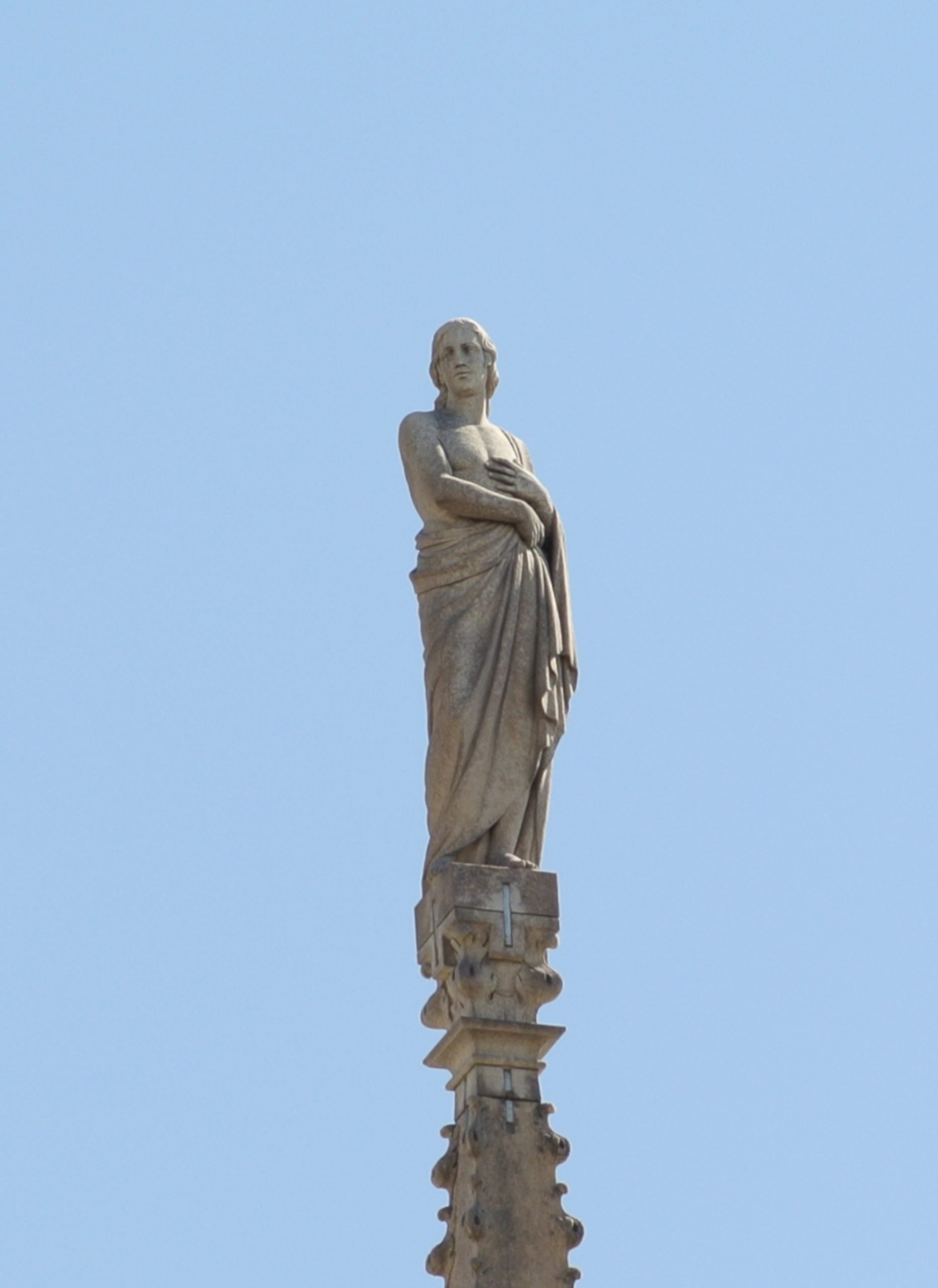
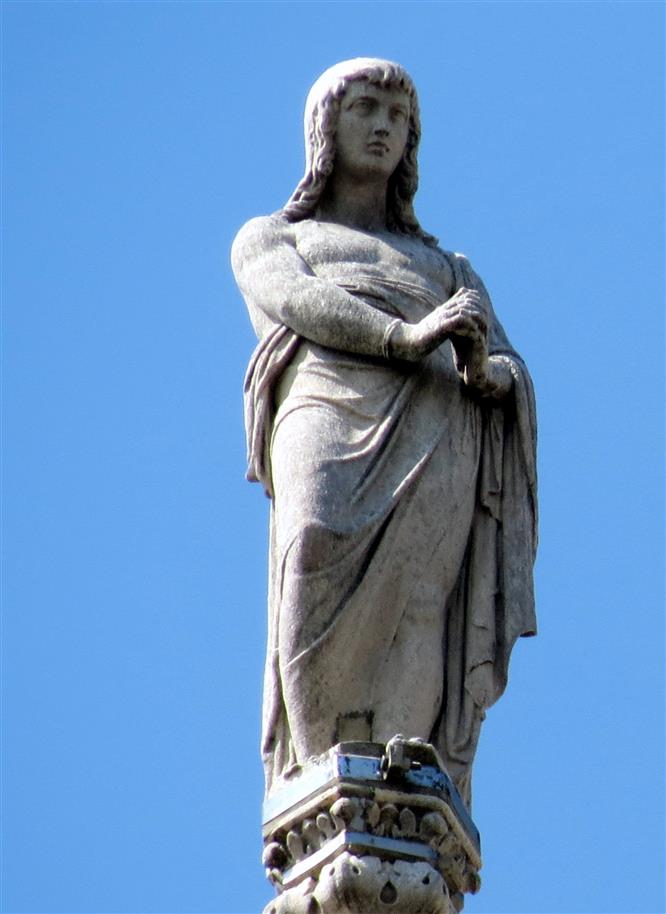
 Facade spire-G9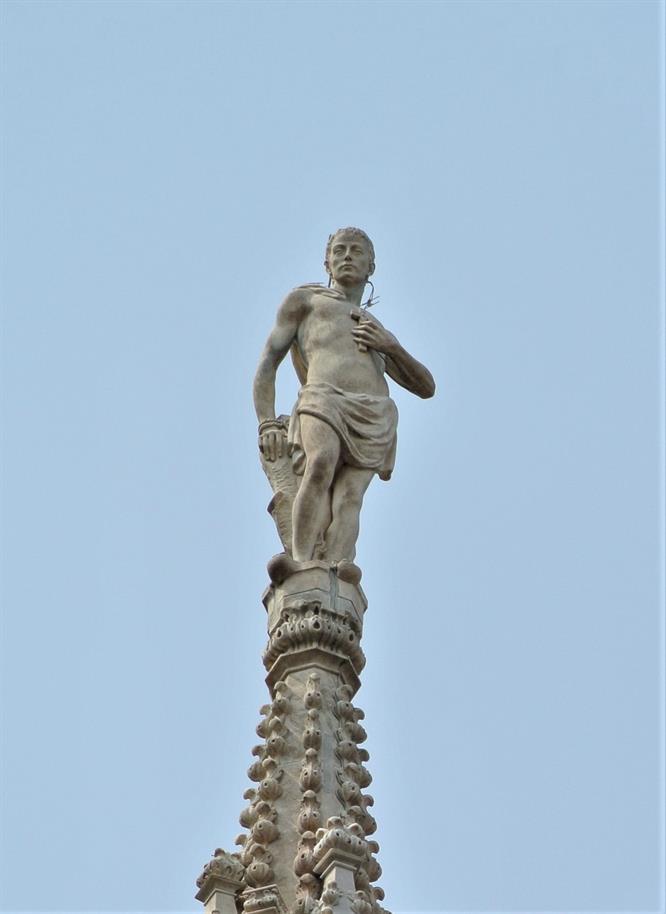
Etymology:
The name Naborre, probably of Persian or Aramaic origin, means “light” or “shining”.
Life and events:
St. Nabor was one of the first patron saints of Milan, along with St. Felix. The story goes that Nabor was a North African soldier who came to Milan in the 4th century to serve in Maximian’s army. Maximian was the governor of the northwestern regions at the time. Here, Nabor converted and became a Christian, and was later executed in Lodi Vecchio.
It was actually a purge of Christians from military ranks: the persecution of Christians had already broken out in the East in 303, targeting those in the military ranks as well. Complying with the invitation of Eastern governors, Maximian himself ordered the purge in his army. In 311, Nabor’s body, along with that of St. Felix, was taken from Lodi Vecchio to the Milanese basilica which was later called the “Naboriana.” Their cult gradually faded over time, until the Franciscans revived it in the 13th century. In 1799, when the ancient Early Christian basilica was closed, the remains of the two martyrs were moved to the Basilica of St. Ambrose, but the two busts containing their skulls disappeared. They were found 160 years later in a Belgian antique shop.
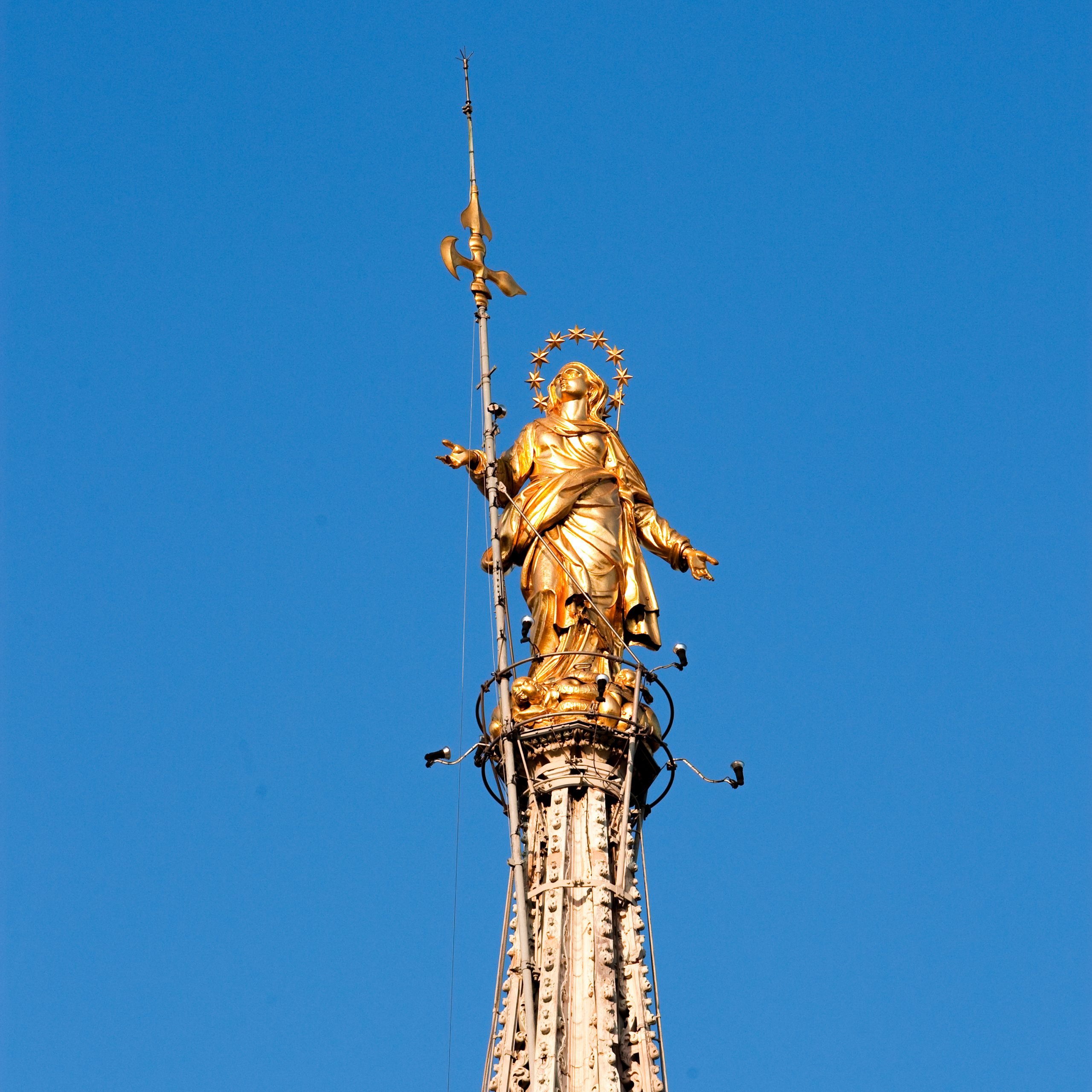
 Tiburio