



 19 June
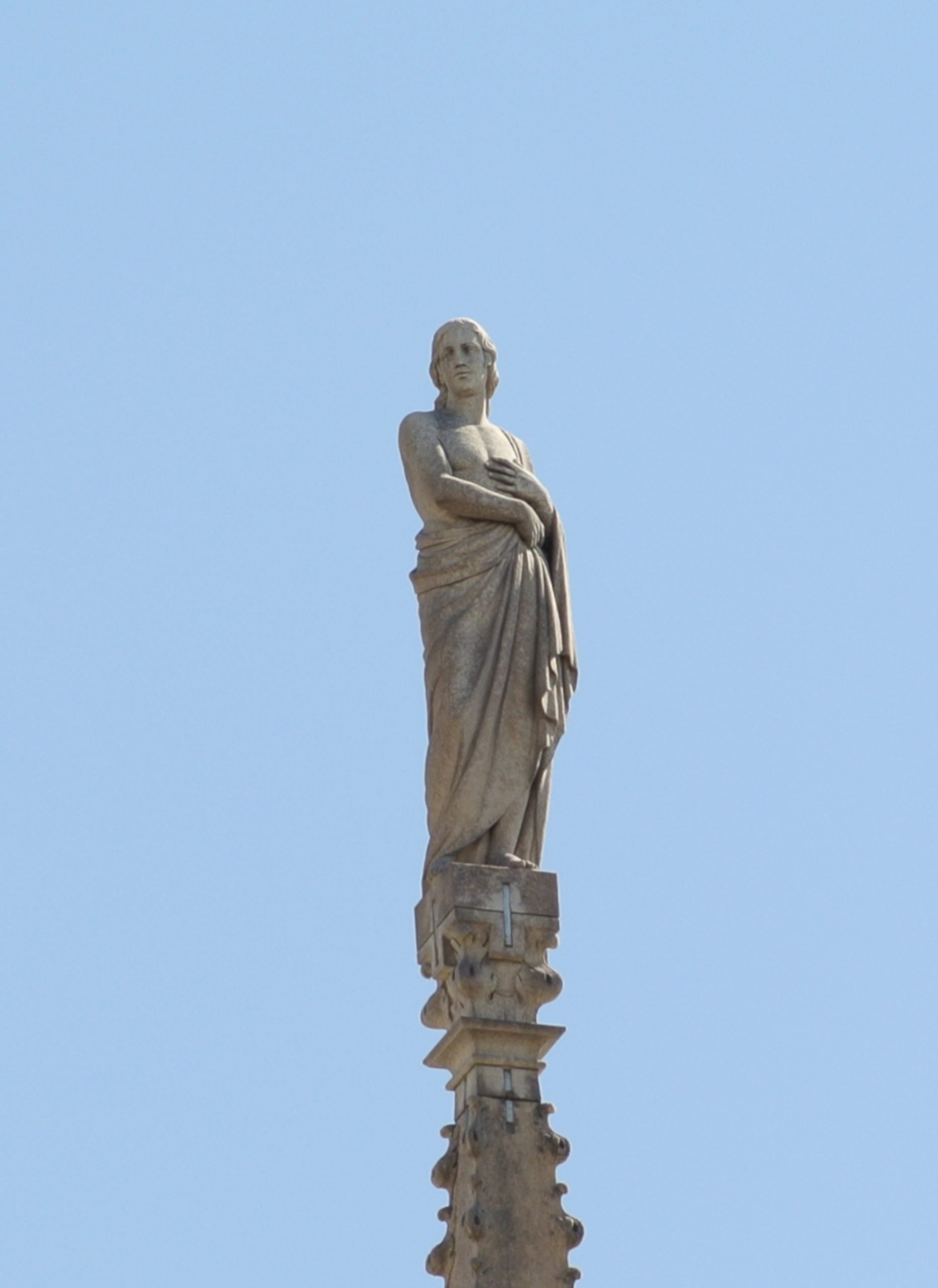
 Front spire-G10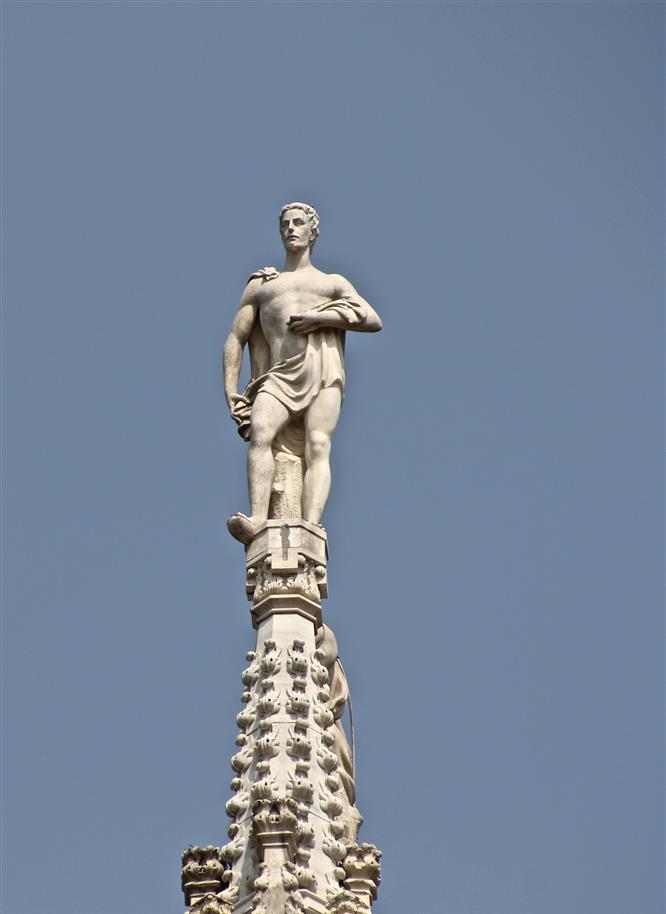
Etymology:
derived from the Latin Protàsius, meaning “the favourite”, also used in the form Protaso.
Protasius is always remembered alongside Gervasius: twin brothers from Milan and martyrs for the Christian faith, worshipped as saints of the Catholic Church. During the fifth century, an anonymous author composed the Passio, from which it is possible to extract details about their existence, though the narrative remains on the thin line between fiction and reality.
This Passio tells that as soon as they learned of the death of their parents, Gervasius and Protasius decided to sell all their family’s belongings to give the money to the poor of Milan. They spent the following ten years of their lives praying, meditating, and preaching the Christian faith; for this reason, they were arrested and executed. Their bodies were found in June 386 AD in the ancient cemetery of Milan (located today between the State Police barracks in Piazza Garibaldi and the Catholic University), thanks to excavations commissioned by St. Ambrose, Bishop of Milan. On the evening of 18th June, the sacred remains were transported to the nearby “Fausta” church for a night vigil of prayer, while the following day, Friday 19th June 386, they were solemnly moved to the Basilica of St. Ambrose—which had just been completed—to consecrate it with the deposition of the remains.
The tales of the statue in the Duomo’s building site:
The statue of St. Protasius was realized in 1950 by Mario Bassetti, an active sculptor during those years who created several statues for the spires that had to be replaced on the Duomo after the bombings of 1943. In fact, it is no coincidence that St. Protasius stylistically closely resembles the nearest spire, St. Nabor. He too has his body and head turned towards his right, while he looks at the passers-by below him. His body leans against a tree trunk which has the signature of the author carved into it; all of this was discovered thanks to photos found in the archives of the Veneranda Fabbrica.
 Tiburio