



 29 May
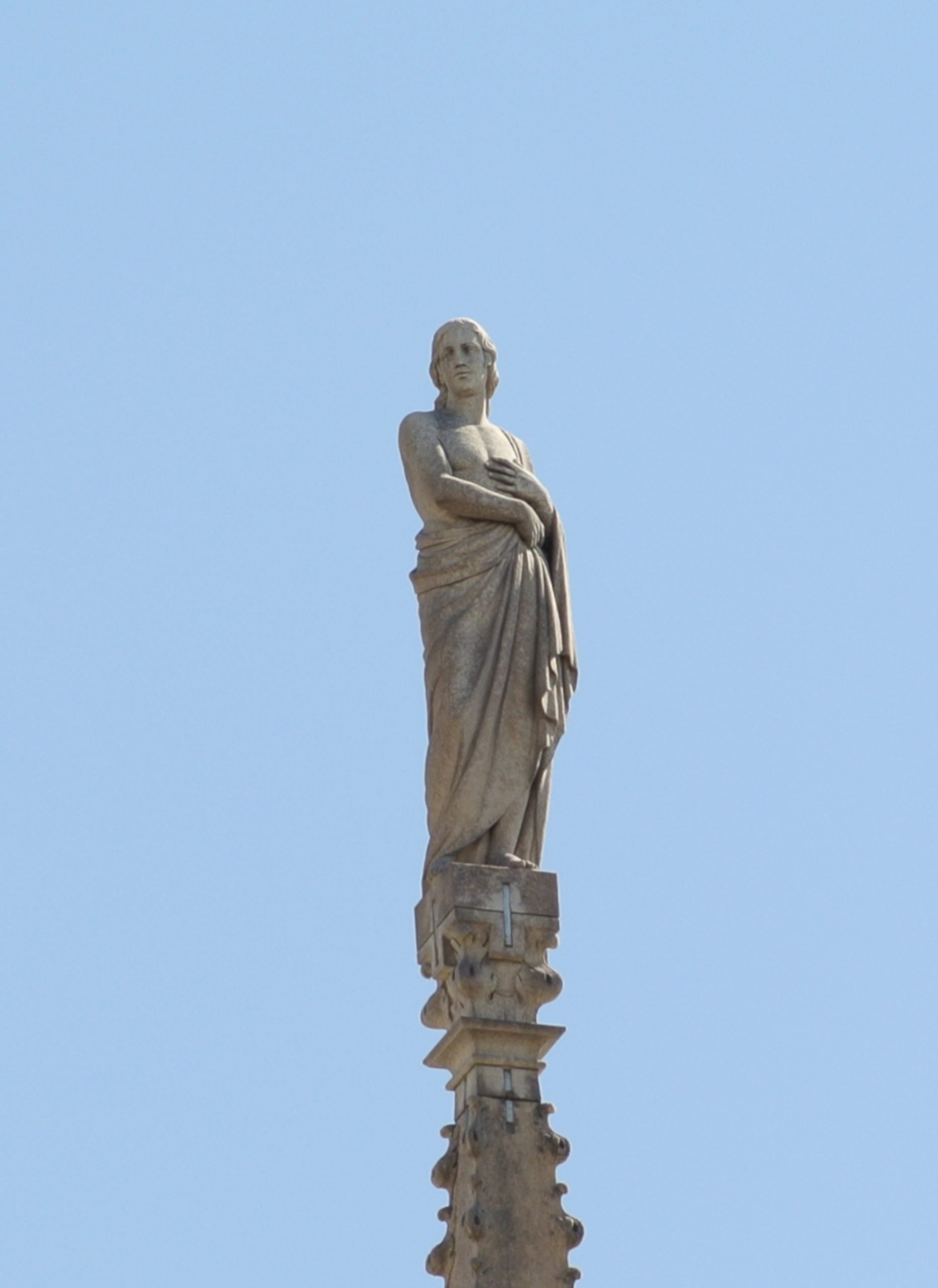
 Front spire-G15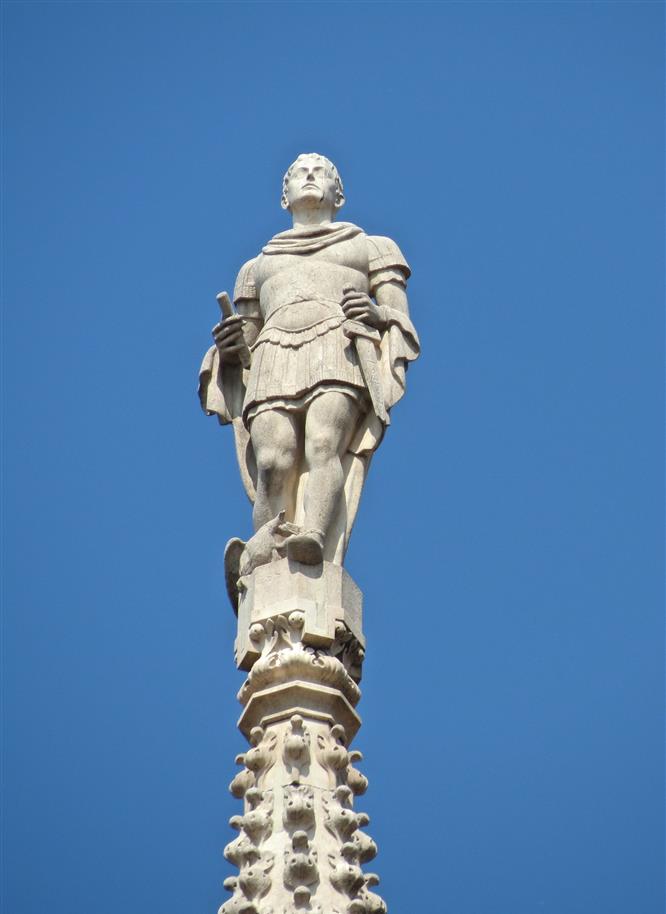
Etymology:
It is a name of Greek origin composed of alexo (ἀλέξω), meaning “to defend,” and andros (ἀνδρός), meaning “man”. Therefore, Alexander means “protector of men”.
Saint Alexander is, together with Sisinnius and Martyrius, one of the three martyrs who came from Cappadocia to present-day Trentino in the 4th century A.D. to spread the evangelical message in the Italian peninsula, which served as a natural bridge to the entire continent. For this reason, Italy owes its Christian faith in part to evangelizing saints such as them, who encountered both many opponents and many new followers. The three were accused of deceiving the local population and were therefore attacked and beaten near their church during a pagan feast. Alexander was later burned alive using the wood of his destroyed church. It was May 29, 397, the day on which his memory is still celebrated today. In present-day San Zeno in Val di Non, the site of the martyrdom, a basilica was erected in the name of the three saints. There are few cases in the early Church where the story of a martyrdom and that of an evangelizing saint are so well documented.
The history of the statue in the Duomo’s construction site:
The Saint Alexander on spire G15 was created in the mid-20th century and bears an inscription with his name at the base, which provides complete certainty regarding its identification as the saint. The author of the model is Arturo Malerba.
 Tiburio