



 07 November
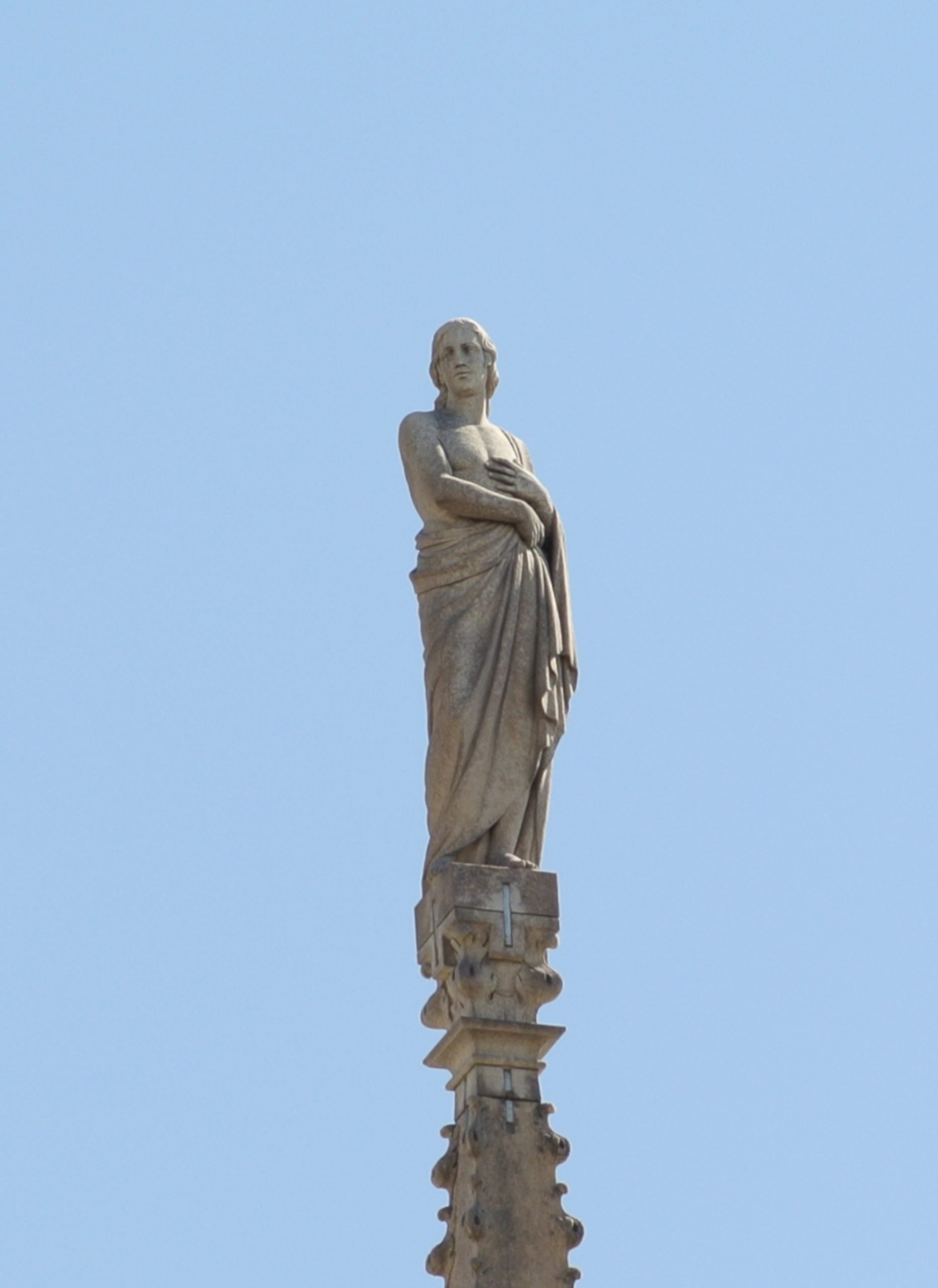
 South side Spire-G22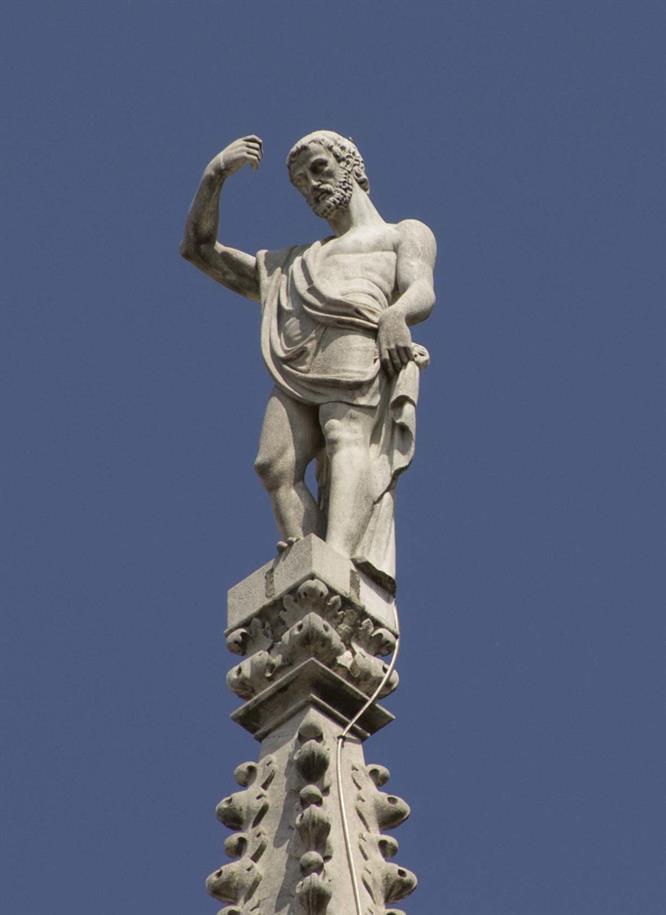
Etymology:
From the Latin Servilianus, meaning “belonging to the Servilia family” an ancient and prestigious gens of Alban origin.
Saint Servilianus, also known as Saint Servizianus, is closely associated with Saint Sulpicius: both are venerated as martyr saints of the Catholic Church. Information about their lives is limited, but their cult has been attested since the earliest centuries of Christianity. According to the Roman Martyrology, their commemoration takes place on April 20. The two saints were martyred in Rome and buried at the second mile of the Via Latina. Tradition associates them with the period of persecutions under Emperor Diocletian (AD 284–305), although historical sources do not provide precise details about the context of their martyrdom. Devotion to Sulpicius and Servilianus spread mainly in Lazio and Tuscany, in fact their relics are preserved in several churches, including the Basilica of San Clemente al Laterano in Rome and the Basilica of Santa Maria Maggiore in Siena.
The history of the statue in the Duomo’s construction site:
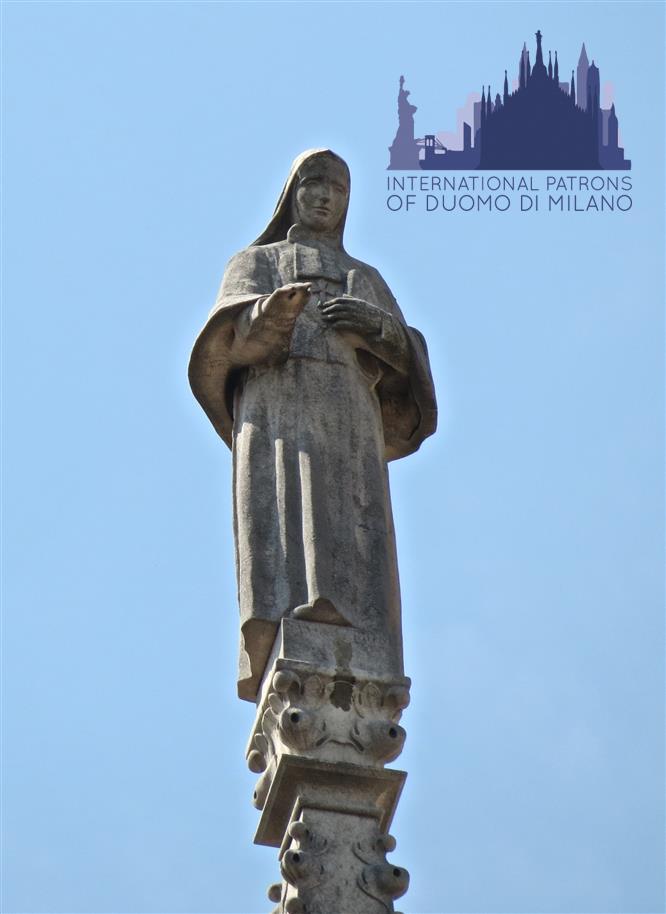
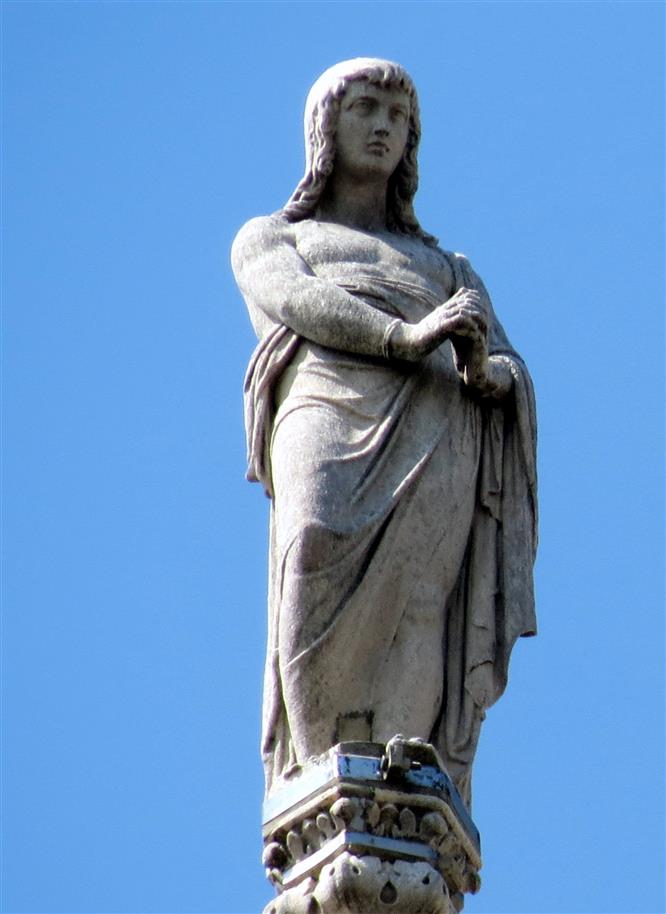
Thanks to documents preserved in the Archive of Veneranda Fabbrica, we know that the statue placed at the top of this spire dates from 1952 and it is a reproduction, while the original one was created by the sculptor Giovanni Battista Perabò, who executed it in 1811 together with the statue of Saint Tranquillinus that crowns another spire of the Cathedral. It seems that until the early twentieth century, Saint Servilianus stood atop Spire G20 (currently occupied by the statue of Saint Marius) and that in his right hand he held a spear, like many other statues on the spires at the time.
 Tiburio