




Solemnity of the Epiphany of the Lord
Eucharistic celebrations at 7 a.m., 8 a.m., 9:30 a.m., 11:00 a.m., 12:30 p.m., and 5:30 p.m.
7 a.m. to 6:30 p.m.
MONDAY 5 JANUARY
– 5.30 p.m. Chapter Eucharist on the eve
TUESDAY 6 JANUARY
Eucharistic celebrations at 7 a.m. – 8 a.m. – 9.30 a.m. – 11.00 a.m. – 12.30 p.m. – 5.30 p.m.
– 10.25 a.m. Morning Lauds
– 11 a.m. Pontifical Mass presided over by His Excellency the Archbishop
– 4.30 p.m. Vespers, Rite of Omnes Patriarchæ and Eucharistic Blessing presided over by His Excellency the Archbishop
You can follow the vigil celebration (Monday 5 January), the Pontifical Mass at 11:00 and Vespers at 16:30 (Tuesday 6 January) via live streaming on this website (www.duomomilano.it) from the Duomo Milano TV YouTube channel.
The Solemnity of the Epiphany (6 January) has, over time, taken on a strong popular significance, even assuming an almost “nostalgic” feeling, traditionally marking “the end of all the Christmas festivities”. In reality, rather than marking the end of the Christmas season – which is postponed until the subsequent feast of the Baptism of the Lord (the first Sunday after Epiphany, this year on 11 January) – this day represents its culmination.
The Epiphany, together with Easter, Christmas and Pentecost, is one of the four major feasts of the liturgical year, and its celebration clearly reflects this distinctive feature, beginning with the typical Vigil Mass, characteristic of the Ambrosian liturgical practice, scheduled to take place in the Cathedral on the afternoon of Monday 5 January (at 5.30 pm).
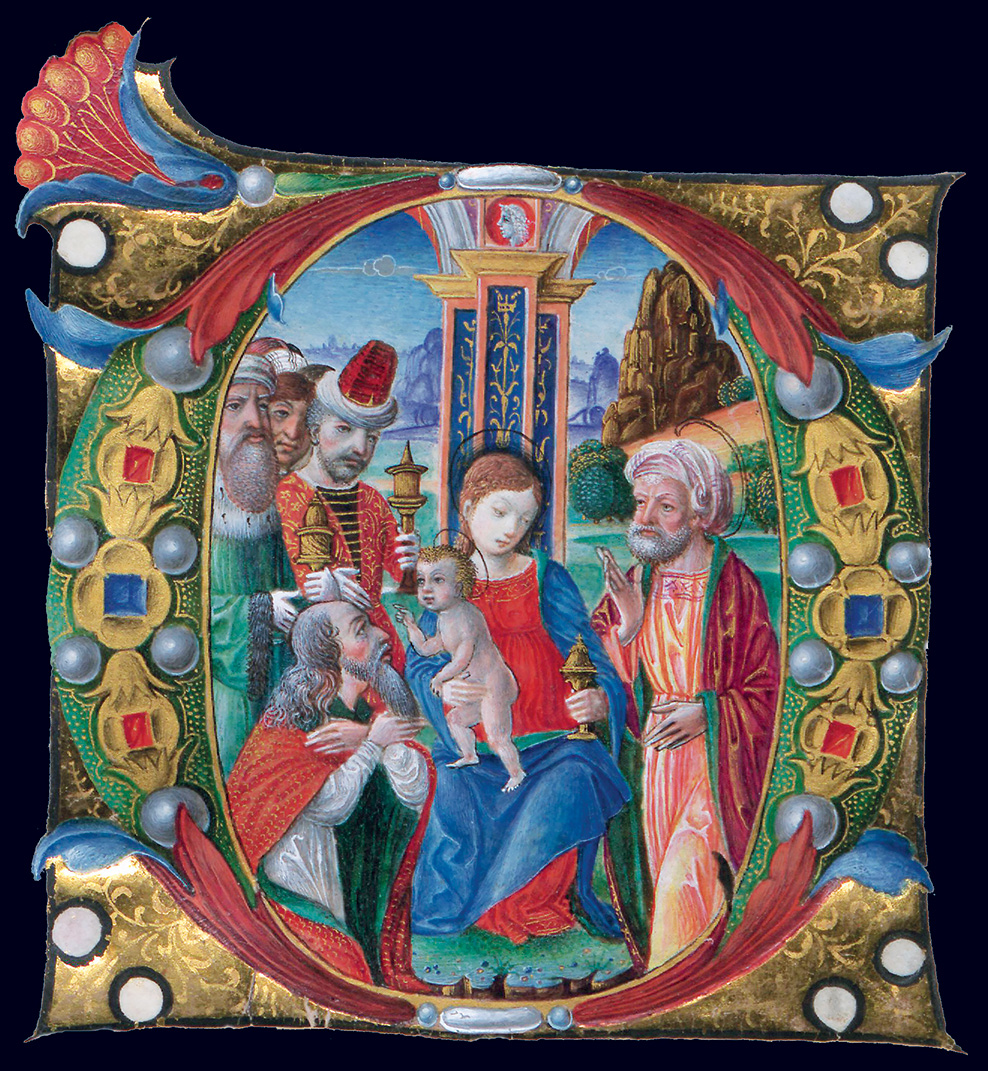
Similar to what happens in the East, in the Ambrosian tradition, the feast of the Epiphany has always been celebrated with great solemnity. With a wealth and variety of images, the liturgy presents the many manifestations of the Lord: the adoration of the Magi, the Baptism in the Jordan, the water turned into wine at the wedding at Cana, the multiplication of the loaves.
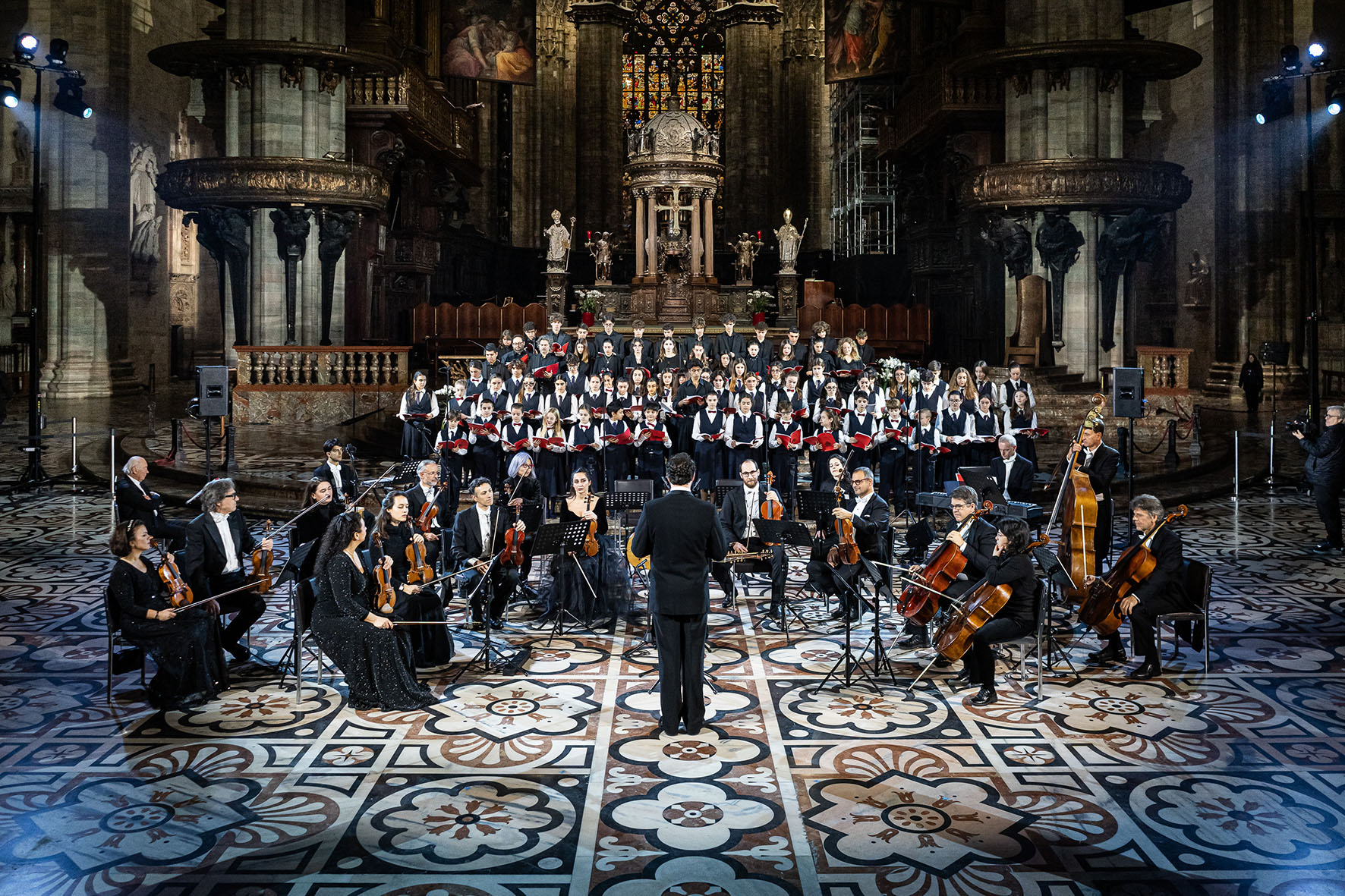
Even today, in addition to the Pontifical Mass (at 11:00 a.m.), the Archbishop presides over Second Vespers, celebrated at 4:30 p.m., which include a very special rite. Immediately after the Lucernarium, an original and defining element of evening prayer, the ancient Ambrosian antiphon Omnes Patriarchæ is sung (from the first words of the original Latin text, as it is still performed in the Cathedral). It acclaims the revelation of Christ in the mystery of Christmas proclaimed by the patriarchs in the Old Testament, foretold by the prophets and fulfilled with the birth in Bethlehem, confirmed by the announcement of the angels to the shepherds and the appearance of the star in the heavens, and actualised in the reception of the Saviour by the righteous.
Tradition has it that this Antiphon is sung four times in succession, as if to indicate that the announcement of the messianic fulfilment spreads throughout the earth via the four cardinal points. The first three times, the Antiphon is performed by the various members of the liturgical assembly: the Pueri Cantores, the Cappella Musicale and the Primicerius of the Metropolitan Chapter. Finally, the Archbishop himself, standing before the altar and facing the people, together with the Canons of the Cathedral, proclaims in song for the fourth and last time the announcement of the Christmas Mystery fulfilled with the manifestation of Christ to the world.