



 31 May
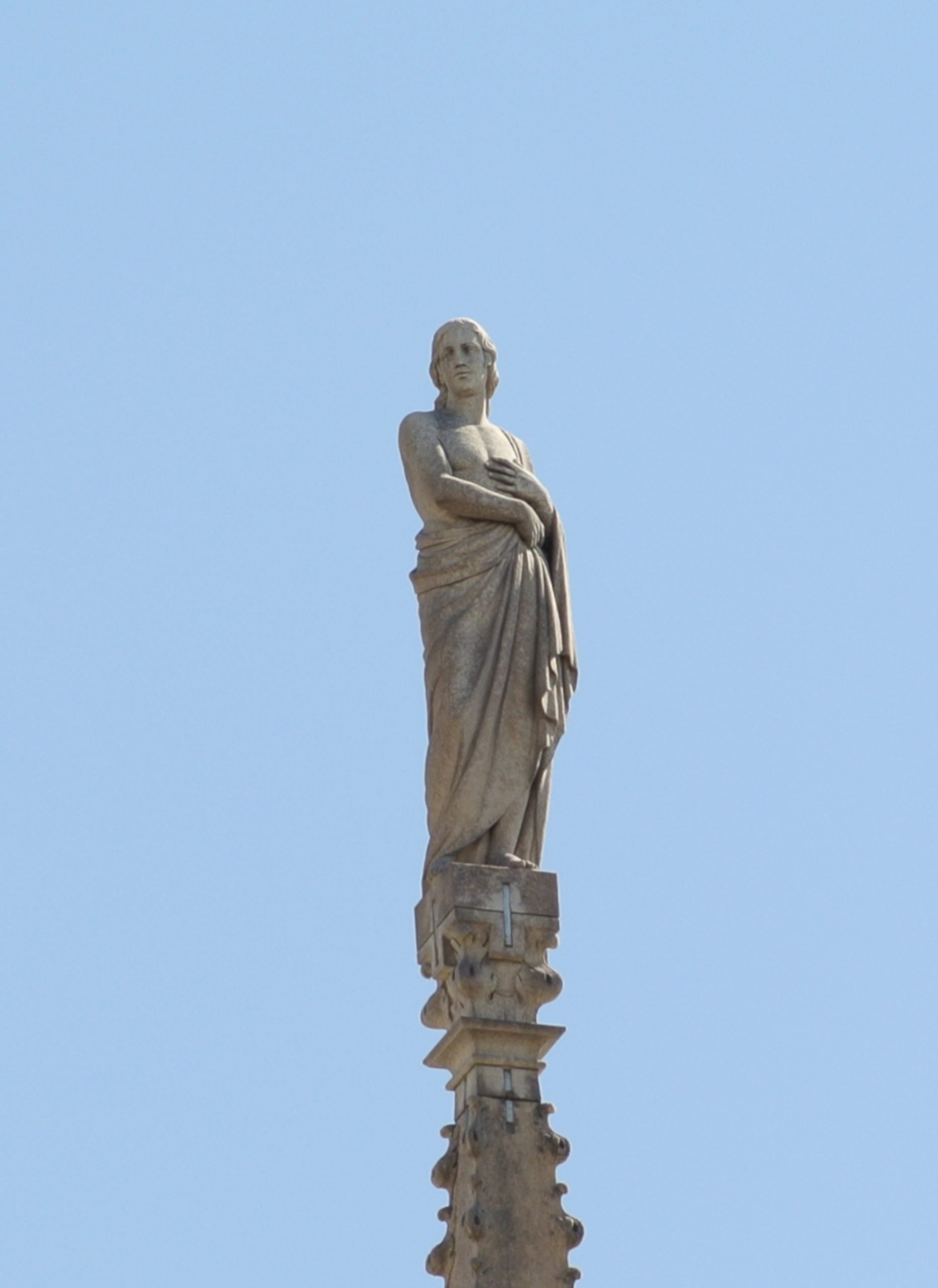
 Facade spire-G12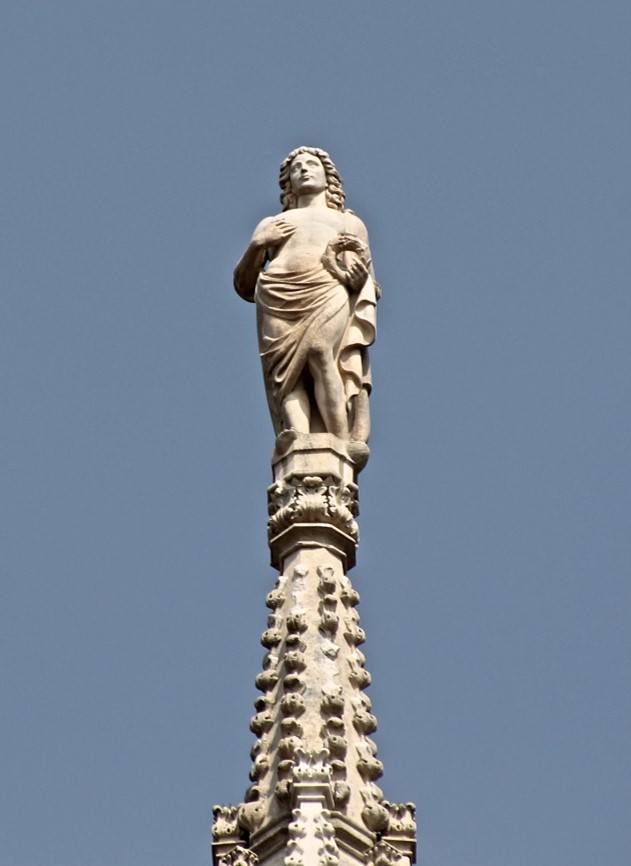
Etymology:
a name of Latin ethnic origin; Canziano literally means “from Cantium,” the modern-day Kent in England.
According to tradition, Saints Cantius, Cantianus, and Cantianilla were three Christian siblings martyred near Aquileia during the reign of Emperor Diocletian. Related to the noble and powerful Anicii family, the three were educated in the Christian faith by their tutor, Protus. After the death of Emperor Carinus—possibly a relative of theirs—and with the intensification of the persecution of Christians, the siblings decided to leave Rome and seek refuge in Aquileia, where their friend Chrysogonus was Bishop. Before leaving Rome, they freed all their slaves after baptizing them, sold all their possessions, and distributed the proceeds among the poor.
Upon arriving in Aquileia, however, they learned of the martyrdom of Chrysogonus at Aquae Gradatae. During the night, Christ appeared, urging them to go to the place of martyrdom. The following day, when they reached the site, they prayed at Chrysogonus’s tomb but were arrested. Ordered to renounce their Christian faith, the three siblings, together with Proto, refused and were immediately beheaded. The monk Zoilus—the same who had previously recovered and buried the body of Chrysogonus—gave them a burial in a pit lined with marble slabs. Their feast day is celebrated on May 31.
The history of the statue in the Duomo’s construction site:
The statue of Saint Cantianus was created in 1950 based on a model by Arturo Malerba. There is little specific information about this sculpture, except that it certainly belongs to a group of statues produced in the mid-20th century and intended to reoccupy positions atop the spires that had been left vacant following the bombings of the Second World War, as also reported in an old article from the newspaper L’Eco della Stampa preserved in the Archive. Saint Cantianus is depicted as a young man with soft and gentle features, gazing straight ahead in contemplation of something far away. In his left hand, he holds a laurel wreath, a symbol of glory and immortality.

 Tiburio